
Understanding what turnover means is essential for every UK business owner, whether you’re running a small startup or managing company accounts. But what is turnover, and why does it matter?
In simple terms, turnover is the total income your business generates from sales before any expenses or taxes are deducted. It’s a key figure used by HMRC, accountants, and lenders to assess business performance, VAT obligations, and financial health.
Knowing how to calculate turnover correctly can help you stay compliant, make smarter decisions, and keep your business growing confidently.
What is Turnover?
Turnover is the total amount of money a business earns from its sales or services before any costs, expenses, or taxes are taken off. In UK accounting, turnover represents your “top-line” income and shows how much revenue your business has generated within a specific period, usually a financial year.
It doesn’t include loans, grants, or money that isn’t earned through trading. Understanding your turnover is important because it helps determine VAT registration, tax obligations, business performance, and eligibility for certain schemes or reliefs.
We will provide you with all the information about business turnover and help you to understand how it is one of a trademark to know your company’s position. Contact us today!
Why is Business Turnover important?
Business turnover is important because it gives a clear picture of how much income your company is generating and how well it is performing. In the UK, turnover is used to determine key obligations such as VAT registration thresholds, tax liabilities, and eligibility for government schemes.
Lenders and investors also look at turnover to judge the financial stability and growth potential of your business. By tracking turnover regularly, you can identify trends, spot opportunities, and make better decisions about pricing, budgeting, and scaling your operations.
It’s one of the most essential figures in measuring business health and long-term sustainability.
How is Turnover Different from Profit?
Turnover is generated by a company before the deduction of any costs. In turnover, we do not deduct the expenses. Profit is the earnings of a business after all the expenses are deducted from the specific turnover (net sales). The following are the two terms for calculating profit.
- Gross profits
- Net profits
How is Turnover Calculated?
Calculating the turnover of a company is quite simple if you have recorded all the sales accurately. Then it would be relatively quick to add together all of your total sales. Turnover is calculated for a certain period.
To work out turnover, you should know the following terms:
- Gross profit: to deduct the cost of sales from the turnover.
- Net profit: takes the gross profit and deducts all the other expenses.
Get help from our Qualified Accountants, Bookkeepers, Tax Experts. Compare their Services & Fee, and Signup now in 3 minutes at Accounting Firms!
Example to Calculate Business Turnover
Suppose you have a turnover of £60,000. You will need to deduct all the sales from the turnover to get the Gross profit. From the resulting Gross profit, you will deduct all the operating expenses. As a result, you will get the net profit of a business.
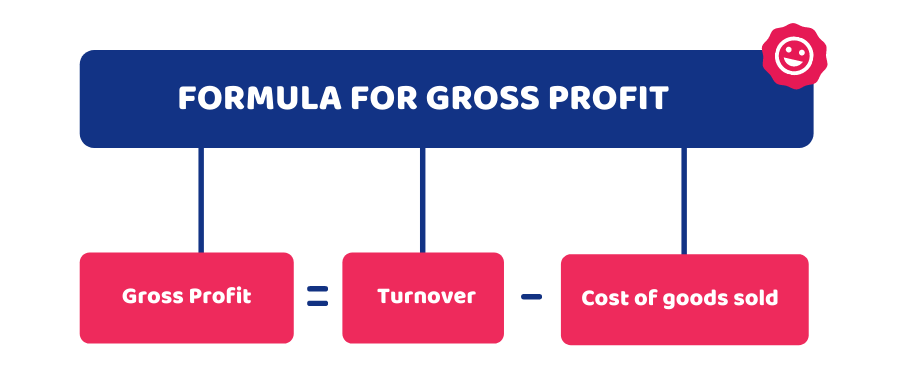
Gross Profit = Turnover – Cost of goods sold
Gross Profit = £60,000 – £10000
Gross Profit = £50,000
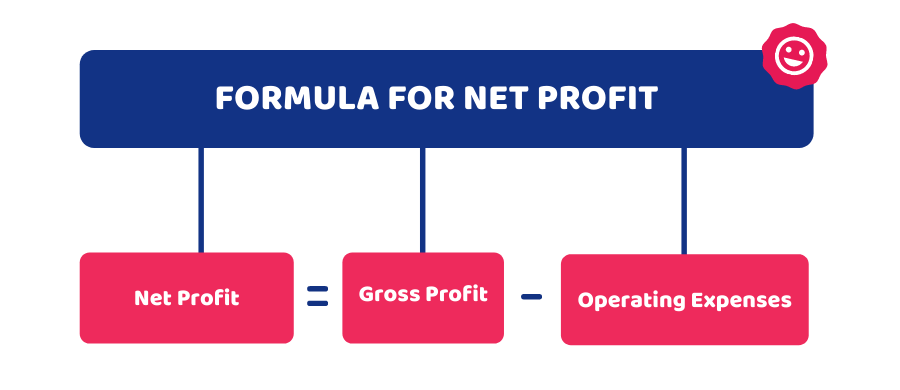
Net Profit = Gross profits – Operating Expenses
Net Profit = £50,000 – £20000
Net Profit = £30,000
If your Gross profit is less than your turnover, you may want to find a possible solution to reduce the cost of your sales. And if your net profit is lower than your turnover, you may need to know the feasible strategies to make your business more profitable.
The Bottom Line
Understanding what turnover means and how it affects your business is essential for staying compliant, making informed decisions, and planning for growth. Whether you’re preparing accounts, checking VAT obligations, or simply reviewing performance, turnover gives you a clear snapshot of your business activity.
By monitoring it regularly and knowing the difference between turnover, revenue, and profit, you can manage your finances more confidently and avoid costly mistakes.
With the right knowledge, turnover becomes more than just a number; it becomes a powerful tool for building a stronger and more successful business.
Disclaimer: The information provided on AccountingFirms.co.uk is for informational purposes only and should not be considered as financial advice. Always consult with a professional accountant to ensure compliance with UK laws and regulations.

 Join 5,000+ businesses comparing today